Drain Cleaning Approaches for Worthington OH Households
When drains start backing up in your Worthington home, you face several cleaning approaches that range from simple DIY methods to professional-grade solutions. Each method targets different types of blockages and offers varying levels of effectiveness, cost, and longevity. Understanding these approaches helps you choose the right solution for your specific drain problem while avoiding damage to your plumbing system.
Manual Drain Cleaning Methods
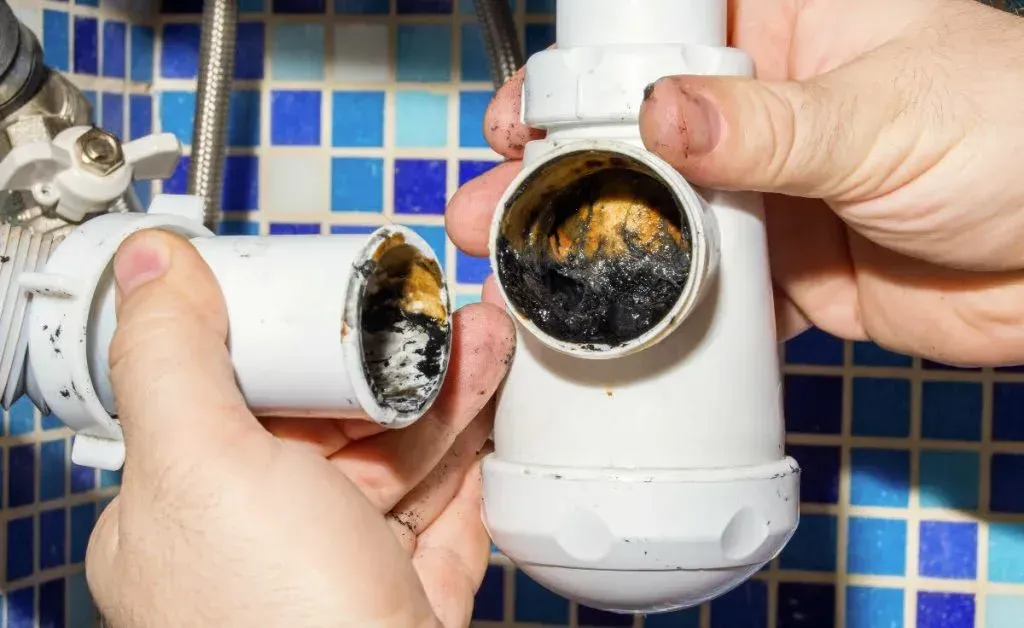
The most basic drain cleaning approach involves manual removal of visible blockages. For bathroom sinks and tubs, you can often remove hair clogs by hand or with needle-nose pliers. Kitchen sinks may have food debris trapped in the P-trap that you can clear by removing the curved pipe section underneath.
Plunging works effectively for toilet clogs and some sink blockages. Cup plungers work best for sinks and tubs, while flange plungers handle toilet clogs more effectively. The key to successful plunging involves creating a proper seal and using steady, rhythmic pressure rather than aggressive thrusting.
Hot water flushes can dissolve grease buildup in kitchen drains. Pour a gallon of nearly boiling water down the drain in two to three stages, allowing the heat to work between pours. This approach works best as a maintenance technique rather than a solution for complete blockages.
Chemical Drain Cleaning Solutions
Store-bought drain cleaners fall into three categories: caustic, oxidizing, and acid-based formulas. Caustic cleaners contain sodium or potassium hydroxide and work by generating heat to dissolve organic matter. Oxidizing cleaners use bleach or peroxide to break down hair and soap scum. Acid-based cleaners tackle mineral deposits but pose the highest risk to pipes and personal safety.
While chemical cleaners offer convenience, they present several drawbacks. Repeated use can damage pipe joints, especially in older Worthington homes with galvanized or cast iron plumbing. These products also create safety hazards through toxic fumes and potential skin contact. Additionally, chemical residues can harm septic systems common in some Worthington neighborhoods.
Enzymatic cleaners provide a safer alternative for regular maintenance. These biological solutions use bacteria cultures to consume organic waste without damaging pipes or creating toxic byproducts. However, enzymatic cleaners work slowly and cannot handle severe blockages or mineral buildup.
Mechanical Snake and Auger Methods
Drain snakes, also called drain augers, use rotating cables to break through or retrieve blockages. Hand-crank models work for simple clogs within 25 feet of the drain opening. These tools cost between $15 and $50 and handle most household drain problems effectively.
Electric drain snakes provide more power for stubborn blockages or longer drain runs. These machines can reach 50 to 100 feet into your drain system and break through tougher obstructions like tree roots or hardened grease. However, improper use can scratch pipe interiors or push blockages deeper into the system.
Professional-grade augers include closet augers for toilets and sectional machines for main sewer lines. These tools require experience to operate safely and effectively. drain cleaning professionals use specialized attachments like cutting heads for roots or grease-cutting tools for kitchen line buildup.
Hydro Jetting Technology
Hydro jetting represents the most thorough drain cleaning approach available. This method uses high-pressure water streams, typically 1,500 to 4,000 PSI, to scour pipe walls completely clean. The process removes not just blockages but also accumulated grease, scale, and debris that other methods leave behind.
The hydro jetting process begins with video inspection to assess pipe condition and locate blockages. Technicians then insert a specialized nozzle that directs water streams forward and backward simultaneously. The forward jets clear the path while reverse jets pull the debris back toward the access point for removal.
This approach offers several advantages over traditional snaking. Hydro jetting cleans the entire pipe diameter rather than just boring a hole through blockages. The process also flushes out accumulated debris that snaking often leaves behind. Additionally, thoroughly cleaned pipes remain clear longer than those treated with other methods.
Video Inspection Integration
Modern drain cleaning increasingly incorporates video inspection technology. Small cameras attached to flexible cables allow technicians to examine pipe interiors before and after cleaning. This technology helps identify the exact nature and location of blockages, enabling targeted treatment approaches.
Pre-cleaning inspection reveals whether blockages consist of grease, hair, roots, or foreign objects. This information determines the most appropriate cleaning method and helps avoid damage from using incorrect techniques. For example, chemical cleaners won't dissolve tree roots, while aggressive snaking might damage pipes already weakened by corrosion.
Post-cleaning inspection verifies thorough blockage removal and reveals any underlying pipe problems. Many Worthington homes built in the 1960s and 1970s have original cast iron sewer lines that may show signs of deterioration during video inspection. Identifying these issues early allows for planned replacement rather than emergency repairs.
Preventive Maintenance Approaches
Regular drain maintenance prevents most blockages from developing into serious problems. Monthly hot water flushes help dissolve grease buildup in kitchen drains. Bathroom drains benefit from weekly hair removal and monthly enzyme treatments to break down soap scum and organic matter.
Mechanical maintenance includes periodic P-trap cleaning and inspection of accessible drain components. Many Worthington homeowners can handle these tasks themselves with basic tools. Remove P-traps quarterly to clear accumulated debris and inspect for leaks or corrosion.
Professional maintenance programs typically include annual drain cleaning and video inspection. These services cost less than emergency drain clearing and help identify developing problems before they cause backups. Many local companies offer maintenance contracts that include priority service and discounted repairs.
Cost Considerations and Expected Lifespan
DIY drain cleaning costs range from $5 for basic chemical cleaners to $75 for electric snakes. Manual methods like plunging and hot water flushes cost virtually nothing but may not provide lasting results. Chemical treatments typically clear simple clogs but may require repeated applications.
Professional drain cleaning services in Worthington typically charge $150 to $300 for standard snaking, while hydro jetting costs $300 to $600 depending on the complexity and length of the drain system. These professional services generally provide longer-lasting results than DIY approaches.
The lifespan of different cleaning approaches varies significantly. Simple snaking may provide relief for several months to a year, depending on usage patterns and the thoroughness of the cleaning. Hydro jetting often keeps drains clear for two to three years or longer because it removes accumulated buildup rather than just creating a path through it.
When considering costs, factor in the frequency of treatment needed. A $25 chemical treatment that requires monthly application costs more annually than a $400 hydro jetting service that lasts three years. Additionally, professional cleaning often identifies underlying problems that could lead to expensive emergency repairs if left unaddressed.
Signs Professional Service Is Needed
Several indicators suggest your drain problems require professional attention rather than DIY solutions. Multiple drains backing up simultaneously often indicates a main line blockage that requires professional equipment to reach and clear effectively.
Recurring blockages despite repeated DIY treatments suggest deeper problems that simple approaches cannot address. Tree root intrusion, pipe bellying, or severe scale buildup require professional diagnosis and treatment. Continuing to use chemical cleaners or aggressive snaking on these problems may worsen the underlying damage.
Sewage odors, gurgling sounds from multiple fixtures, or water backing up in floor drains indicate serious drain system problems. These symptoms often accompany main sewer line blockages that can cause significant property damage if not addressed promptly by professionals.
Age-related factors also influence when to seek professional help. Worthington homes built before 1980 often have original drain lines that may be approaching the end of their useful life. switching to tankless heat systems can sometimes reveal hidden plumbing issues that require professional assessment.
Choosing the Right Approach
Selecting the appropriate drain cleaning method depends on several factors including the severity of the blockage, pipe material and condition, environmental concerns, and long-term maintenance goals. Simple clogs in newer homes may respond well to manual or mild chemical treatments.
Recurring problems or multiple affected drains typically require professional assessment to identify root causes. Video inspection helps determine whether blockages result from usage patterns, pipe defects, or external factors like tree root intrusion.
Consider your local environment when choosing cleaning approaches. Worthington's mature tree canopy can lead to root intrusion problems that require ongoing professional management. Similarly, homes in older neighborhoods may have pipe materials that limit cleaning options.
Long-term planning should influence your drain cleaning strategy. Regular professional maintenance costs less than emergency repairs and helps preserve your plumbing system's lifespan. Investing in thorough cleaning methods like hydro jetting may cost more initially but provides better value through extended service life and reduced frequency of treatment. Major sewer work is the extreme end of the spectrum; most homeowners avoid getting there by keeping household drains clear with routine cleaning long before a backup reaches the main line.
Major sewer work is the extreme end; most homeowners avoid it by keeping household drains clear with routine cleaning.