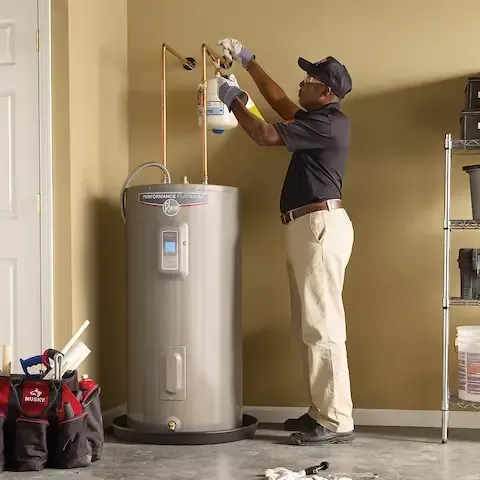
Tankless Water Heater Conversion in Worthington Ohio
Converting from a traditional tank water heater to a tankless system in Worthington Ohio requires careful planning and professional installation. The conversion process involves gas line modifications, electrical updates, venting changes, and potential structural adjustments that go far beyond a simple appliance swap. Understanding these requirements helps you prepare for this significant home upgrade that can provide decades of space-saving, energy-efficient hot water delivery.
Gas Line Requirements and Modifications
Your existing gas line likely needs upgrading to support a tankless unit's higher BTU demands. Most tankless water heaters require 150,000 to 200,000 BTUs, while traditional tanks operate on 30,000 to 50,000 BTUs. This dramatic increase means your current half-inch gas line probably needs replacement with a larger diameter line, often three-quarters inch or one inch depending on the distance from your meter and the specific unit's requirements.
The gas meter itself may require upgrading to handle the increased flow rate. Columbia Gas, which serves Worthington, typically needs advance notice for meter upgrades, and the process can take several weeks to schedule. Your installer must calculate the total BTU load for all gas appliances in your home to determine proper sizing for both the supply line and meter.
Professional gas line work requires proper permits and inspections through the City of Worthington. The installation must meet Ohio's adoption of the International Fuel Gas Code, which specifies pressure testing, leak detection, and proper joint connections. Attempting gas line modifications without proper licensing creates serious safety hazards and code violations.
Venting System Changes
Tankless units use different venting systems than traditional water heaters. Most require either direct vent or power vent systems that terminate through an exterior wall rather than the existing chimney. This often means creating new penetrations through your home's exterior and installing specialized venting materials rated for the higher temperatures these units produce.
The venting location affects both installation complexity and ongoing performance. Units vented through basement walls need adequate clearance from windows, doors, and air intake vents as specified by manufacturer requirements and local codes. Snow load considerations in Worthington winters may require elevated termination points or protective shields.
Condensing tankless units produce acidic condensate that requires proper drainage to your home's drain system or a neutralizing tank. This drainage system must maintain proper slope and avoid freezing during Ohio's winter months. Non-condensing units eliminate condensate concerns but operate at lower efficiency levels.
Electrical Infrastructure Updates
Modern tankless water heaters require dedicated electrical circuits even when gas-fired. The control systems, ignition components, and exhaust fans need reliable power, typically requiring a 15 or 20-amp dedicated circuit. Your existing water heater's electrical connection likely won't meet these requirements.
Installation location affects electrical planning. Moving from a basement tank location to a more central tankless position may require running new electrical lines through finished spaces. Code requirements mandate GFCI protection for water heater electrical connections, which may not exist in older Worthington homes built before current electrical codes.
Smart tankless models with Wi-Fi connectivity and advanced diagnostics require additional considerations for network coverage and ongoing connectivity. These features enable remote monitoring and maintenance scheduling but add complexity to the electrical installation requirements.
Structural and Space Planning
Removing your existing tank water heater frees up significant basement space, but tankless installation location requires careful consideration. Wall-mounted units need adequate structural support, especially for larger residential models that can weigh over 100 pounds when filled with water. Basement installations work well for centralized hot water distribution, while utility room or garage locations may offer easier access for maintenance.
The new location must provide adequate clearances for combustion air, service access, and safety shutoffs. Manufacturers specify minimum distances from combustible materials, and these requirements often exceed the informal clearances around traditional tank heaters. Water heater placement also affects distribution efficiency, with shorter runs to high-demand fixtures reducing wait times and heat loss.
Cold climate considerations in Worthington include freeze protection for units installed in unheated spaces. While rare, power outages during extreme cold can affect tankless units differently than tank systems, requiring additional planning for backup heating or insulation strategies.
Permit and Inspection Requirements
Worthington requires mechanical permits for tankless water heater conversions, covering gas line work, venting modifications, and electrical updates. The permit process includes plan submission showing gas line sizing calculations, venting routes, and electrical circuit specifications. Inspections occur at rough-in stages before concealing any work and final approval after system commissioning.
Multiple trades involvement often complicates permit coordination. Gas line work requires a master gas fitter license, electrical work needs a licensed electrician, and general plumbing work requires appropriate plumbing credentials. Each trade may require separate permits or coordinated inspection scheduling to avoid delays.
Homeowner permits are available for some aspects of the work, but gas line modifications and major electrical work typically require licensed professional installation regardless of permit type. Insurance and warranty coverage often depends on professional installation with proper permitting and inspections.
Performance and Efficiency Considerations
Tankless units provide unlimited hot water capacity but with flow rate limitations that affect simultaneous use patterns. A typical residential unit handles two to three fixtures simultaneously, which works well for most Worthington households but may require usage coordination during peak demand periods like morning routines.
Energy efficiency gains vary based on your household's hot water usage patterns. Homes with consistent daily usage see the greatest efficiency improvements, while intermittent use patterns may show smaller savings due to the energy required for each startup cycle. Sizing a new heater properly ensures adequate performance without oversizing that reduces efficiency gains.
Maintenance requirements differ significantly from tank systems. Annual descaling prevents mineral buildup that reduces efficiency and shortens equipment life. Worthington's moderately hard water requires regular maintenance attention, and some manufacturers void warranties without documented professional service intervals.
Professional Installation Benefits
Professional installation ensures proper system integration and long-term reliability. Experienced installers understand the interaction between gas supply, venting, electrical, and water distribution systems that affects overall performance. They also handle permit applications, inspection coordination, and warranty registration that protects your investment.
Quality installation includes system commissioning that verifies proper operation, leak testing of all connections, and customer education on operating procedures and maintenance requirements. Professional installers also provide ongoing service relationships for annual maintenance and future repairs, ensuring your investment continues performing efficiently for its expected 20-year lifespan.