Toilet Repair and Installation in Worthington OH Homes
Toilet problems in Worthington OH homes range from simple adjustments to complete unit replacements, with older homes presenting unique challenges due to vintage plumbing configurations and settling foundations. Understanding when repairs suffice versus when replacement becomes necessary helps homeowners make informed decisions about their bathroom fixtures while avoiding costly emergency situations.
Common Toilet Repair Issues
Most toilet malfunctions stem from internal component failures within the tank mechanism. Fill valves deteriorate over time, causing continuous running or insufficient water levels that affect flushing performance. The flapper chain frequently requires adjustment when it becomes too loose or tight, preventing proper seal formation against the flush valve seat.
Wax ring failures create more serious problems, manifesting as water seepage around the toilet base or unpleasant odors emanating from beneath the fixture. These seals compress and crack over years of use, particularly in homes with settling foundations that create slight movements in the toilet position. Professional toilet repair addresses these issues before they cause subflooring damage or structural complications.
Tank-to-bowl gaskets represent another frequent failure point, especially in two-piece toilets where the connection experiences constant stress from flushing cycles. When these gaskets deteriorate, water leaks between the tank and bowl, often pooling behind the toilet where detection becomes difficult until significant damage occurs.
Fill Valve Replacement Process
Modern fill valves utilize improved designs that resist mineral buildup and provide more reliable shutoff mechanisms compared to older ballcock systems. Installation requires shutting off water supply, draining the tank completely, and disconnecting the supply line connection at the bottom of the tank.
The old fill valve assembly removes by loosening the locknut underneath the tank, allowing the entire mechanism to lift out through the tank opening. New fill valves adjust to accommodate different tank heights and water pressure conditions common in Worthington area homes, which often feature varying plumbing configurations due to different construction periods.
Professional Installation Considerations
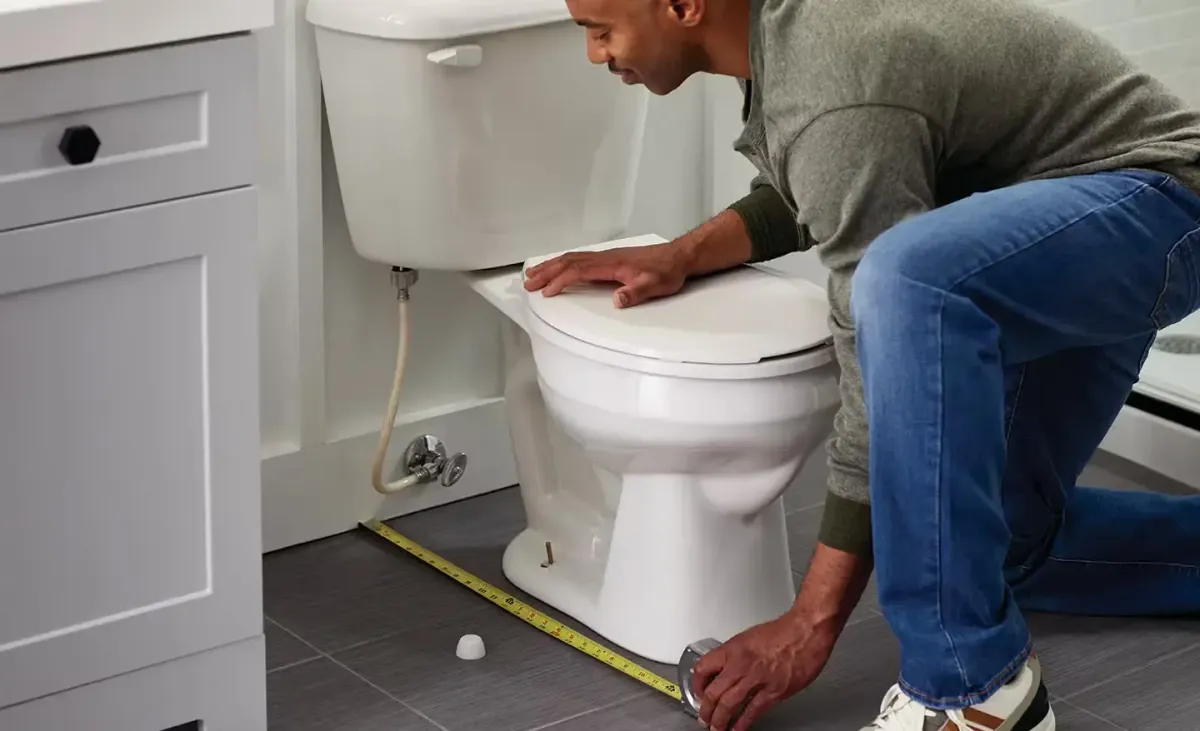
Toilet installation involves precise measurements and proper preparation to ensure long-term functionality and prevent future problems. The toilet flange must sit level with the finished floor surface, requiring adjustment when new flooring materials change the floor height relative to the original installation.
Worthington homes built in different eras present varying rough-in dimensions, with older properties sometimes featuring 10-inch or 14-inch measurements instead of the modern standard 12-inch spacing from wall to flange center. These variations require specific toilet models designed for non-standard rough-in dimensions or professional modifications to accommodate standard fixtures.
Water supply connections require careful evaluation, particularly in homes where original galvanized pipes create compatibility issues with modern fixtures. Supply valve replacement often becomes necessary during toilet installation projects, ensuring reliable water delivery and simplified future maintenance access.
Comfort Height Benefits
Comfort height toilets measure 17-19 inches from floor to seat, compared to standard height fixtures at 15 inches. This elevation reduces strain during use, particularly benefiting older adults or individuals with mobility limitations. The installation process remains similar to standard height fixtures, though the increased weight requires additional care during positioning and securing.
These taller fixtures may require supply line adjustments when replacing standard height toilets, as the tank connection point sits higher relative to the shutoff valve location. Professional installation ensures proper alignment and secure connections that prevent future leaks or mechanical problems.
Wax Ring Replacement and Floor Preparation
Wax ring installation requires complete removal of old wax residue from both the toilet base and flange surface to ensure proper sealing. Residual wax prevents the new ring from compressing evenly, creating gaps that allow sewer gases to escape and moisture to penetrate subflooring materials.
Flange inspection becomes critical during wax ring replacement, as damaged or corroded flanges compromise the entire installation regardless of new ring quality. Cast iron flanges in older Worthington homes sometimes require repair or replacement due to corrosion around the bolt holes or cracking in the flange body.
Floor stability affects wax ring longevity, with soft or uneven subflooring preventing proper compression and allowing movement that breaks the seal over time. Professional assessment identifies these conditions before installation, preventing premature failure and potential water damage to surrounding areas.
Flange Repair Options
Broken flange ears receive repair through reinforcement rings or replacement flanges that anchor into solid subflooring or floor joists. These repairs restore proper bolt hole positioning and provide secure mounting points for toilet installation. Proper repair prevents toilet rocking that damages wax rings and creates ongoing maintenance problems.
Flange height adjustments become necessary when new flooring raises the finished floor level above the flange rim. Extension rings or replacement flanges accommodate these height differences while maintaining proper sealing relationships between components.
Complete Toilet Replacement Projects
Full toilet replacement offers opportunities to upgrade water efficiency, improve comfort features, and address underlying plumbing deficiencies simultaneously. Modern toilets consume significantly less water per flush while maintaining superior waste removal performance compared to older fixtures installed in many Worthington area homes.
Replacement projects allow evaluation of supply and waste connections that remain hidden during routine repairs. Corroded shutoff valves, deteriorated supply lines, or damaged waste connections receive attention during replacement, preventing future emergency situations and ensuring reliable long-term operation.
Proper disposal of old fixtures requires coordination with local waste management services or recycling programs, as ceramic toilets cannot utilize standard household waste collection. Many professional installation services include removal and disposal as part of their comprehensive service offerings.
Water Efficiency Upgrades
Current toilet models achieve effective flushing performance using 1.28 gallons per flush or less, compared to older toilets that consumed 3.5-7 gallons per cycle. These efficiency improvements provide substantial water bill reductions while meeting or exceeding waste removal capabilities of older fixtures.
Dual-flush mechanisms offer additional water savings by providing different flush volumes for liquid versus solid waste removal. These systems require minimal user adaptation while maximizing conservation benefits throughout daily use cycles. Within any remodel, the fixtures themselves often need attention too - see our guide to toilet repair and replacement for what is worth fixing versus swapping out during the project.
Troubleshooting Common Problems
Weak flushing performance often indicates partial blockages in the rim jets or siphon jet rather than mechanical failures within the tank mechanism. Mineral deposits accumulate in these openings over time, restricting water flow and reducing flushing effectiveness. Professional cleaning removes these deposits without damaging porcelain surfaces or internal passages.
Continuous running typically stems from flapper problems, chain adjustments, or fill valve malfunctions. The flapper must seat completely against the flush valve to stop water flow, requiring proper chain length and flexible flapper material that conforms to the valve surface. Warped or hardened flappers prevent complete sealing regardless of adjustment attempts.
Toilet rocking indicates loose bolts, deteriorated wax ring, or uneven floor conditions that require professional assessment. Temporary tightening may reduce movement but cannot address underlying causes that continue deteriorating until major repairs become necessary. stopping winter freeze damage to supply lines prevents additional complications during cold weather periods.
Local Installation Challenges
Worthington's diverse housing stock presents unique installation challenges based on construction era and original plumbing configurations. Homes from the early 1900s often feature cast iron waste lines and unusual rough-in dimensions that require specialized knowledge for proper fixture compatibility and installation techniques.
Basement installations in finished spaces require careful coordination with existing ceiling treatments and utility locations. Access limitations may necessitate alternative approaches or temporary removal of ceiling materials to complete installation work properly.
Clay tile sewer connections common in older Worthington neighborhoods require gentle handling during toilet removal and installation to prevent damage to these brittle materials. Professional experience with these systems prevents costly excavation and replacement projects that result from improper handling.
Professional Service Benefits
Licensed plumbers possess specialized tools and experience necessary for efficient toilet repair and installation projects. Professional assessment identifies underlying problems that contribute to premature failure, addressing root causes rather than temporary symptom relief that leads to recurring problems and additional costs.
Warranty coverage on professional installation work provides protection against defects and ensures proper remediation if problems develop. This coverage extends beyond manufacturer warranties to include installation workmanship and compatibility issues that affect long-term performance.
Professional services include proper disposal of old fixtures and debris, coordination with local building departments for permit requirements, and compliance with current plumbing codes that ensure safe and legal installation practices.