Summer Pool Leak Detection Around Worthington OH Yards
Summer in Worthington brings backyard pools back to life, but it also brings something less welcome: the slow, steady loss of water that signals a leak somewhere in the system. Evaporation gets the blame at first, and sometimes it deserves it. But when your pool is dropping more than a quarter inch of water per day, something else is going on. Leaks in residential pools around Worthington, Ohio tend to hide in places that are difficult to inspect with the naked eye, and the summer heat actually accelerates the damage by expanding and contracting pipe joints, fittings, and shell materials. Getting ahead of the problem early saves your yard, your water bill, and the structural integrity of the pool itself.
Why Summer Is Peak Season for Pool Leaks in Worthington
Worthington sits in central Ohio, where summer temperatures swing between warm nights and hot afternoons. That daily temperature cycle creates thermal stress on plumbing components. PVC lines buried under your yard expand when the ground warms and contract overnight. Over several seasons, those micro-movements weaken joints at return fittings, main drains, and underground feed lines.
In addition to thermal stress, summer is simply when pools run the hardest. Pumps cycle more frequently. Filters backwash more often. Automatic cleaners drag across the shell. All of that activity puts mechanical stress on the system at the exact same time that materials are thermally compromised. The result is a higher rate of leak development between Memorial Day and Labor Day than any other time of year.
Worthington neighborhoods like Colonial Hills and Worthington Estates tend to have older installed pools that have gone through many of these seasonal cycles. The older the pool, the more vulnerable the fittings, the more likely a leak is quietly developing somewhere in the system right now.
Where Pool Leaks Actually Hide
Pool leaks rarely announce themselves with a gushing visible break. Instead, they develop slowly and in locations that resist simple visual inspection. The most common sites in Worthington residential pools include the following areas.
- Return fittings: The fittings where water re-enters the pool through the wall are under constant pressure. Over time, the gaskets behind these fittings deteriorate, allowing water to seep behind the shell and into the surrounding soil.
- Skimmer throat and base: The skimmer is one of the most frequently compromised components in aging pools. A crack between the skimmer body and the pool shell is common and notoriously difficult to spot without dye testing or pressure analysis.
- Underground plumbing lines: The PVC lines running from your equipment pad to the pool and back pass through several feet of soil. A pinhole crack along any of these runs will cause water loss that mimics evaporation from above.
- Main drain assembly: Drains at the deepest point of the pool are subject to ground movement and hydrostatic pressure. Faulty drain covers or cracked drain bodies allow water to escape at a rate that is invisible from the surface.
- Light niches: The conduit housing pool lights creates a path through the shell. If the niche seal fails, water follows that path out of the pool continuously.
The Bucket Test and Its Limits
Many pool owners in Worthington start with the bucket test, placing a filled bucket on a pool step, marking both the bucket water level and the pool water level, and checking both after 24 hours. If the pool drops more than the bucket, a leak is likely rather than simple evaporation. This is a reasonable first step, but it only tells you that a leak exists. It tells you nothing about where the leak is or what is causing it.
From here, professional leak detection becomes necessary. Trying to excavate or dismantle pool components without knowing the exact location of the problem leads to unnecessary destruction of decking, landscaping, and underground infrastructure. Worthington yards that have been dug up speculatively often end up with structural damage that costs far more than the original leak repair.
How Acoustic and Pressure Detection Work
Professional pool leak detection in Worthington relies on two primary methods: pressure testing and acoustic listening. Both allow technicians to locate a leak without disturbing the yard or the pool structure itself.
Pressure testing involves isolating individual plumbing lines and pressurizing them with air or water. If a line cannot hold pressure, it contains a leak. The technician can identify which specific run is compromised, then use that information to narrow the search area dramatically before any digging begins.
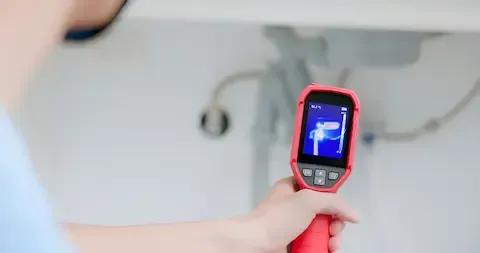
Acoustic detection uses sensitive listening equipment placed directly against plumbing lines and the pool shell. Water escaping through a pinhole or crack creates a distinct sound signature that trained equipment can pick up through soil, concrete, and decking. A technician moving along the plumbing path listens for the point where that signature peaks, marking the leak location to within a few inches. This method allows repair crews to make a single targeted excavation rather than tearing up an entire side of your yard.
For water leak situations involving underground pool lines, this level of diagnostic precision is not just convenient, it is essential. An unlocated leak allowed to run through the summer will saturate the soil around your pool shell, potentially destabilizing the surrounding ground and causing settlement issues that affect decking, fencing, and even the foundation of adjacent structures on your property.
Signs You Should Call a Detection Specialist Now
Worthington homeowners sometimes wait too long, hoping the water loss will stabilize or that they have simply been topping off more than they realized. The following signs indicate that a professional inspection should happen within days, not weeks.
- Water loss exceeding a quarter inch per day after accounting for evaporation and splash-out
- Soft or mushy ground near the equipment pad, pool edge, or along the plumbing path through your yard
- Unexplained increases in your water bill during months when pool usage is high
- Visible cracking or separation at the skimmer, return fittings, or light niches
- Pool shell staining in patterns that suggest water movement behind the surface
- Algae growth that returns repeatedly in the same area despite treatment
If you are also experiencing water loss elsewhere in your home, it is worth tracking down hidden leaks in your interior plumbing at the same time. Homes in central Ohio often develop multiple concurrent leak points during seasonal transitions, and addressing them together is more efficient than solving each one in isolation.
What Happens After the Leak Is Located
Once acoustic and pressure testing identifies the exact leak location, repair scope becomes clear. A skimmer crack requires a different fix than a ruptured underground feed line. Return fitting failures are often resolved without excavation at all, using injection repair techniques that restore the seal from inside the pool. Underground line failures require targeted digging, but because the location is known precisely, the excavation is minimal and the surrounding yard recovers quickly.
Worthington pools that receive prompt, correctly diagnosed leak repair in early summer typically hold water without issue through the entire season. Pools where leaks are ignored or incorrectly addressed tend to develop compounding problems, including shell movement, equipment damage from running pumps against low water levels, and soil erosion that creates long-term yard damage well beyond the pool perimeter itself.