Worthington Sewer Permit Rules Every Homeowner Needs
Most Worthington homeowners never think about sewer permits until a contractor mentions one mid-project — and suddenly a routine repair becomes a paperwork question. Whether you're replacing a failing lateral line, adding a backflow preventer, or reconnecting after storm damage, the City of Worthington has clear permit requirements that apply to work crossing public right-of-way. Understanding these rules before a crew shows up at your door can save you from delays, failed inspections, and unexpected costs.
Why Worthington Requires Sewer Permits
Sewer permits exist to protect both property owners and the city's shared infrastructure. Worthington's sewer system connects to the regional Franklin County treatment network, which means improper connections or substandard repairs can affect dozens of neighboring properties downstream. The city uses the permit process to verify that licensed contractors are performing the work, that materials meet code, and that a qualified inspector signs off before any trench is backfilled. Without that inspection, you have no documented confirmation that the repair was done correctly — and that gap can surface during property sales or insurance claims.
Permits also establish a public record. If a future issue arises with your lateral line, the city can pull permit history to understand what was changed, when, and by whom. That paper trail protects you as much as it protects the city.
Which Projects Trigger a Permit Requirement
Not every plumbing job at your Worthington home requires a sewer permit. Clearing a clog, running a camera inspection, or snaking a drain generally don't require city approval. However, the following situations typically do:
- Any sewer line replacement that extends from the house to the public main
- New sewer tap connections to the city main
- Installation or replacement of a backflow prevention device
- Sewer work crossing the public right-of-way or sidewalk easement
- Open-cut excavation or trenchless pipe bursting in the right-of-way
- Adding a new cleanout within city property limits
If your lateral line runs from your foundation to the city main at the street — which it does on virtually every Worthington residential lot — any full replacement will cross city property and require a permit. This is one of the most common scenarios where homeowners are caught off guard. For more guidance on protecting your lines before problems start, review our resource on blocking spring sewer backups.
How the Permit and Inspection Process Works
The permit process in Worthington runs through the city's Engineering and Public Works department. Your licensed sewer contractor submits the permit application, provides project details including the scope of work and materials, and pays the associated fee. Homeowners rarely need to file paperwork themselves — this falls on the contractor — but you should confirm your contractor has actually pulled the permit before any digging begins.
Once work is underway, the city schedules an inspection of the connection point at the public main, the backflow device if applicable, and the trench itself before backfill. The inspector checks that the pipe material meets city specifications, that the tap connection is properly sealed, and that no prohibited materials were used. Work that fails inspection must be corrected and re-inspected before the project is considered closed.
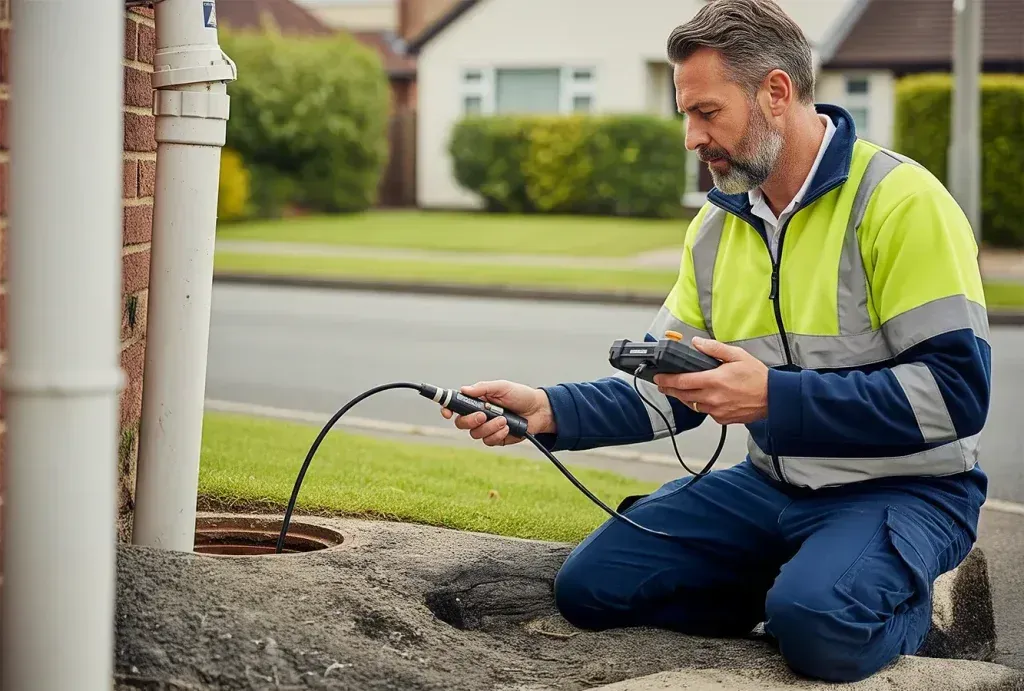
In Worthington, the city may also require a video inspection of the completed line as part of closeout, particularly for full lateral replacements. This protects both the homeowner and the city by documenting the condition of the new line at the moment of installation.
Backflow Device Requirements in Worthington
Worthington takes backflow prevention seriously, particularly in older neighborhoods where the combined sewer system can create reverse-flow pressure during heavy rain events. If your home has experienced sewer backup from the main line — rather than a localized blockage — the city may require a backflow preventer as part of any permitted sewer repair project.
These devices allow sewage to exit your home normally but automatically close if flow reverses from the main. Installation requires a permit in Worthington, and the device must be accessible for future inspection. Improper installation or the use of uncertified devices will fail inspection. Your contractor should be familiar with the specific device types the city accepts.
Common Mistakes Worthington Homeowners Make
The most frequent mistake is assuming the contractor will handle everything without confirming it. Some contractors — particularly those not based in Worthington — skip the permit step to save time or cost. This creates liability for the homeowner when the work is eventually discovered during a home sale or a subsequent city repair project in the right-of-way.
A second common error is beginning excavation before the permit is issued. The city requires permit approval before work in the right-of-way begins. Starting early, even by a day, can result in a stop-work order and require the trench to be opened again after proper permitting. Always ask your contractor for a copy of the issued permit before they break ground.
Third, homeowners sometimes hire unlicensed contractors to avoid permit costs. In Ohio, sewer work connecting to the public main must be performed by a licensed contractor. Unlicensed work is not eligible for inspection, and the city can require the work to be redone entirely at the homeowner's expense.
Local Considerations for Worthington Properties
Worthington's older residential neighborhoods — particularly those near the Historic District and along properties backing to Olentangy River Road — often feature aging clay or cast iron lateral lines that have reached the end of their service life. These areas have seen increased permit activity as homeowners replace deteriorating infrastructure before failures occur.
Properties near Worthington's downtown area and the Griswold Street corridor should also be aware that right-of-way widths vary, which affects how much of the lateral line falls under city permit jurisdiction. Your contractor should verify the exact property boundaries before determining permit scope.
For complete sewer repair work in Worthington — whether trenchless or open-cut — working with a contractor who knows the local permit process from application through final inspection ensures your project closes cleanly and your line is documented correctly with the city.
What to Keep After the Job Is Done
Once your permitted sewer project is complete and the final inspection passes, make sure you receive a copy of the closed permit and any inspection report. Store these with your home records. If the city ever conducts infrastructure work near your property and questions arise about your lateral line, having documentation proves your system meets current code. It also simplifies future property transactions and can support insurance claims if a related issue arises later.