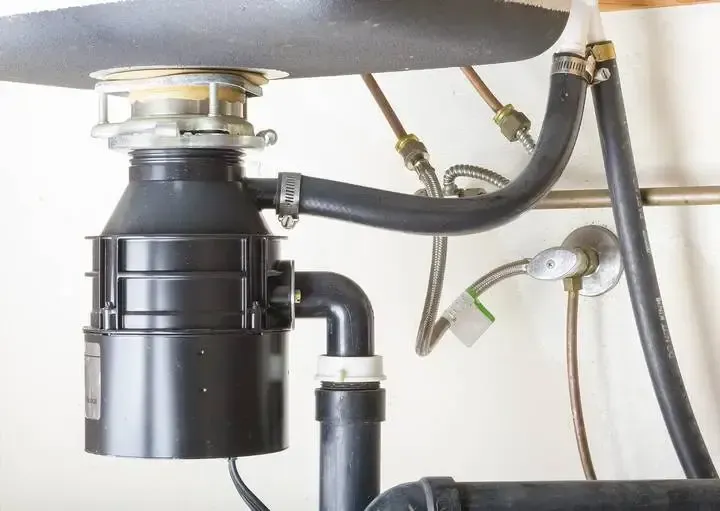
Garbage Disposal Repair in Worthington OH Kitchens
Kitchen garbage disposals handle daily food waste processing until mechanical problems interrupt normal operation. These hardworking appliances face constant exposure to food particles, grease buildup, and water flow that eventually causes component failures requiring professional attention.
Common Garbage Disposal Problems
Most garbage disposal issues stem from a handful of recurring mechanical failures. Jammed flywheels represent the most frequent problem, occurring when hard objects like bones, utensils, or large food chunks block the grinding chamber. The disposal hums but refuses to operate, indicating the motor runs while the grinding assembly remains stuck.
Leaky housing connections develop when mounting assemblies loosen or sink flanges deteriorate. Water seepage appears beneath the unit, often pooling in cabinet floors and potentially causing water damage to surrounding cabinetry. These leaks typically worsen over time without intervention.
Burnt-out motors signal the end stage of disposal problems. Years of heavy use, frequent jamming, or electrical issues cause motor windings to overheat and fail. Units with burnt motors often trip circuit breakers repeatedly or emit burning odors during operation attempts.
Drain line clogs frequently accompany disposal problems. Ground food particles accumulate in connecting pipes, especially when insufficient water flow accompanies grinding operations. These blockages cause water backup in the disposal chamber and sink basin.
Electrical connections fail due to moisture exposure or loose wire nuts. Disposals experiencing intermittent power loss, complete electrical failure, or GFCI outlet tripping require electrical diagnosis before mechanical repairs proceed. Kitchen clogs often start at the disposal rather than the drain line, so before snaking anything it is worth running through some garbage disposal troubleshooting to rule out a jammed or failing unit.
Repair Versus Replacement Decisions
Age becomes the primary factor determining repair feasibility. Disposals approaching or exceeding ten years of service typically warrant replacement rather than extensive repairs. Component costs for older units often approach new disposal prices, making replacement more economical.
Motor condition drives repair decisions for units under seven years old. Motors showing strong amperage draws and consistent operation respond well to flywheel unjamming and housing repairs. Weak motors struggling with normal food loads indicate internal wear requiring replacement consideration.
Housing integrity affects repair viability significantly. Cracked disposal bodies or severely corroded mounting assemblies cannot support reliable repairs. Minor gasket replacements and mounting adjustments extend service life for structurally sound housings.
Professional Garbage Disposal Repair evaluation identifies cost-effective solutions. Experienced technicians assess motor condition, housing integrity, and electrical systems to provide accurate repair estimates versus replacement costs.
Manufacturer warranty coverage influences repair decisions for newer units. Disposals under warranty often qualify for free or reduced-cost repairs through authorized service providers, making professional repair attempts worthwhile before considering replacement options.
Professional Repair Procedures
Initial diagnosis begins with electrical safety procedures. Technicians shut off circuit breakers and verify zero voltage at disposal connections before beginning any repair work. GFCI outlet testing ensures proper electrical protection for wet location installations.
Flywheel liberation requires specific tools and techniques. Professional plumbers use manufacturer-approved hex keys or specialized wrenches to manually rotate grinding assemblies. Reverse rotation often dislodges stuck objects without damaging flywheel teeth or grinding chambers.
Drain line clearing accompanies most disposal repairs. Technicians remove connecting pipes to access and clear accumulated debris. High-pressure water jetting removes stubborn grease buildup and food particle accumulations in horizontal drain runs.
Mounting assembly adjustments address housing leaks and improper installation angles. Professionals realign disposal units to manufacturer specifications, ensuring proper drainage angles and secure mounting ring engagement. New gaskets and plumber's putty create watertight seals.
Motor testing determines electrical component condition. Amperage measurements under load conditions reveal motor health and identify failing windings before complete failure occurs. Electrical connection tightening eliminates intermittent operation problems caused by loose terminal connections.
Post-repair testing verifies proper operation across all disposal functions. Technicians test grinding action with various food types, monitor drain flow rates, and confirm electrical operation meets manufacturer specifications.
Preventive Maintenance Requirements
Regular cleaning prevents many disposal problems from developing. Weekly ice cube grinding sharpens flywheel teeth while removing grease buildup from grinding chamber surfaces. Cold water operation during grinding maintains proper lubrication and prevents motor overheating.
Proper usage habits extend disposal service life significantly. Avoiding fibrous vegetables, grease disposal, and hard objects prevents most mechanical jams. Gradual food introduction with adequate water flow ensures complete grinding and drain line clearing.
Monthly maintenance includes baking soda and vinegar treatments to neutralize odors and remove minor buildup. These natural cleaning agents dissolve organic residues without damaging disposal components or affecting beneficial drain bacteria.
Annual professional inspections identify developing problems before major failures occur. Worthington homeowners benefit from scheduled maintenance visits that include mounting checks, electrical testing, and drain line evaluation. Early problem detection prevents emergency repair situations and extends disposal life.
Electrical panel maintenance ensures reliable disposal operation. GFCI outlets require monthly testing to verify proper ground fault protection. Circuit breaker inspection identifies electrical issues that could damage disposal motors during normal operation.
Local Installation Considerations
Worthington's older homes often present electrical challenges for disposal installations. Many properties require electrical upgrades to support modern disposal units safely. Dedicated 20-amp circuits with GFCI protection meet current electrical codes for disposal installations.
Plumbing configurations in established neighborhoods may require drain line modifications during disposal repairs. Older cast iron or galvanized steel drain lines often need replacement with PVC systems to accommodate modern disposal connections and ensure proper drainage.
Local water conditions affect disposal performance and maintenance requirements. Worthington's moderately hard water creates mineral deposits in disposal chambers and drain lines. Regular descaling treatments prevent buildup that could interfere with grinding efficiency.
Municipal waste disposal regulations influence repair decisions for some residents. Understanding local guidelines for organic waste disposal helps homeowners maximize their disposal's utility while complying with community waste management policies.
When Professional Service Becomes Necessary
Electrical problems require immediate professional attention for safety reasons. Any disposal showing signs of electrical shorts, frequent breaker tripping, or burning odors needs expert diagnosis before further operation attempts.
Persistent drain backups indicate problems beyond simple clogs. Professional plumbers possess specialized equipment for diagnosing and clearing complex drain blockages that extend beyond the immediate disposal connection area.
Unusual noises during operation signal mechanical problems requiring professional assessment. Grinding sounds, metal-on-metal contact, or motor bearing noise indicate internal damage that DIY repairs cannot address safely or effectively.
Installation problems from previous repairs often require professional correction. Improper mounting, electrical connections, or drain line installations create ongoing problems that need expert resolution to prevent water damage or safety hazards.
Questions about expected water heater years often arise during kitchen plumbing evaluations, as homeowners assess multiple appliance replacement needs simultaneously.
Long-term Kitchen Plumbing Health
Garbage disposal condition affects overall kitchen plumbing system health. Properly functioning disposals reduce drain line stress and minimize backup risks that could affect dishwashers and sink drainage throughout the kitchen area.
Integration with other appliances requires careful consideration during repair decisions. Dishwasher connections, soap dispensers, and hot water lines all interact with disposal systems in ways that affect repair complexity and cost considerations.
Future kitchen renovation plans influence current repair investments. Homeowners planning significant kitchen updates within two years might choose minimal repairs over major overhauls, preserving resources for comprehensive renovation projects.
Regular professional maintenance creates documentation for warranty claims and insurance purposes. Detailed service records demonstrate proper care and help support coverage claims for water damage or appliance failures related to disposal problems.
Understanding disposal repair options helps Worthington residents make informed decisions about kitchen plumbing maintenance. Professional evaluation provides the technical expertise needed to choose between repair and replacement while ensuring safe, reliable operation for years of continued service.
Kitchen clogs often start at the disposal, so before snaking anything run through some garbage disposal troubleshooting to rule out a jammed unit.