How Often Should Worthington OH Homes Get Drains Cleaned
Most Worthington OH homes should have kitchen drains and the main sewer line professionally cleaned every 18 to 24 months. If your home has older cast iron pipes, trees nearby, or a household of four or more people, annual cleaning is a smarter baseline. Homes with garbage disposals or grease-heavy cooking habits may need service closer to every 12 months. Bathroom drains typically stay clear longer but benefit from a cleaning every two years. The goal is prevention — catching buildup before it becomes a blockage that backs up into your sinks, tubs, or basement floor drain.
How Often Should Kitchen Drains Be Cleaned?
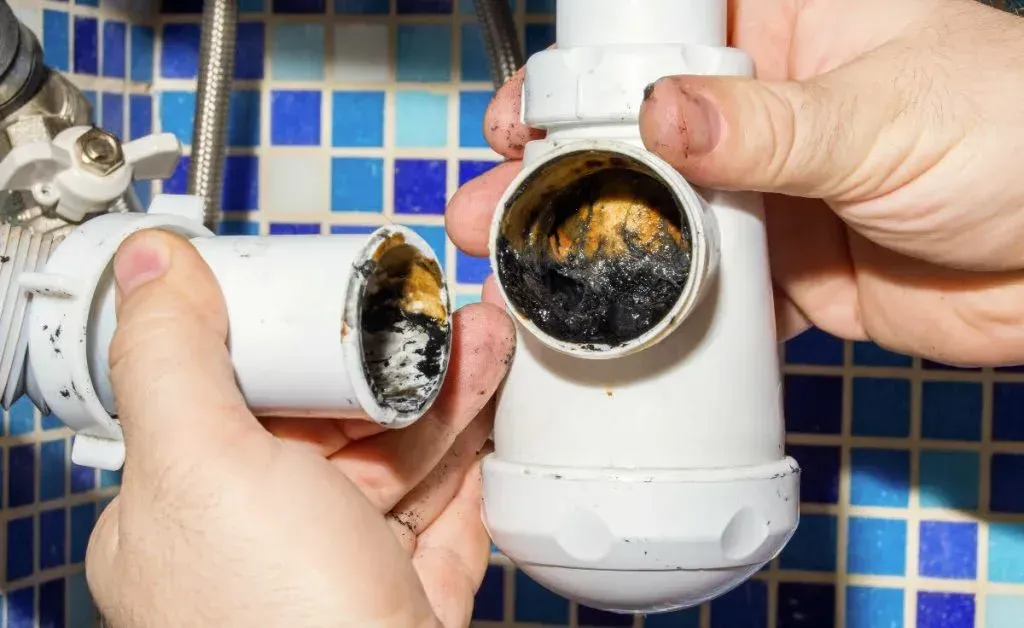
Kitchen drains accumulate grease, soap residue, and food particles faster than any other drain in your home. In most Worthington households, a professional drain cleaning every 12 to 18 months keeps kitchen lines flowing reliably. If you use a garbage disposal regularly or cook with oils and fats, lean toward the 12-month end of that range. Grease clings to pipe walls and builds up in layers over time — by the time you notice slow drainage, the restriction is often already significant. Routine cleaning removes that buildup before it causes a problem.
How Often Should the Main Sewer Line Be Cleaned?
The main sewer line carries all wastewater from your home out to the city sewer connection. For most Worthington properties, a cleaning every 18 to 24 months is appropriate. However, several factors push that interval shorter. Mature tree canopy is common throughout Worthington neighborhoods, and root intrusion into older clay or cast iron sewer lines is a frequent cause of blockages. If your home was built before 1980, your lines may be cast iron or clay — both materials that collect buildup more aggressively than modern PVC. A camera inspection combined with a hydro jet cleaning every 12 months is worth the investment for those homes. Read the drain cleaning rundown for a breakdown of cleaning methods and when each one applies.
How Often Should Bathroom Drains Be Cleaned?
Bathroom sink and shower drains primarily collect hair, soap scum, and toothpaste residue. They clog more slowly than kitchen drains but do still require attention. For most Worthington households, every 18 to 24 months is a reasonable interval for bathroom drain maintenance. If you have long-haired household members or notice consistent slow drainage, annual service makes more sense. Tub drains tend to collect hair near the stopper assembly — that area is worth cleaning manually between professional visits using a drain snake or hair-removal tool.
What Factors Make Worthington Homes Need More Frequent Cleaning?
Several conditions specific to Worthington homes affect how often you should schedule service:
- Older pipe materials: Many homes in established Worthington neighborhoods have cast iron drain lines. Cast iron corrodes internally over decades, creating rough surfaces that snag debris and accelerate buildup.
- Tree root pressure: Worthington's older residential areas have substantial tree coverage. Roots naturally seek moisture and can infiltrate sewer lines through small cracks or joints.
- Household size: A household of five generates considerably more drain load than a household of two. More people means more grease, more hair, and more solids moving through the system every day.
- Garbage disposal use: Disposals push food solids into the drain line that accumulate at bends and low points. Frequent use compresses the cleaning interval.
- History of backups: If your home has experienced drain backups or slow drains in the past two years, that history suggests your lines need more frequent attention, not less.
Is There a Difference Between Reactive and Preventive Drain Cleaning?
Yes, and the difference has real cost implications. Reactive cleaning happens after a drain backs up — often requiring emergency service, possible water damage remediation, and more aggressive intervention. Preventive cleaning is scheduled before symptoms appear and typically costs significantly less. In Worthington, where many homes are 30 to 60 years old and sewer lines may not have been serviced in years, the first professional cleaning sometimes uncovers issues — root intrusion, partial collapses, or heavy scale buildup — that benefit from a camera inspection. Catching those conditions early avoids emergency calls and protects your plumbing investment over time.
What Signs Indicate You Should Not Wait for a Scheduled Cleaning?
Stick to your regular maintenance interval most of the time, but call sooner if you notice any of the following:
- Multiple drains slow at the same time — this points to a main line restriction, not individual clogs
- Gurgling sounds coming from drains or toilets after running water elsewhere in the house
- Water backing up into a floor drain or into a tub when you flush a toilet
- Sewage odors coming from drains, which indicate trapped organic material decomposing in the line
- Recurring slow drains that return within weeks of a previous cleaning
Any of these signs suggests the issue is beyond surface-level buildup and warrants prompt professional service rather than waiting for your next scheduled maintenance window.
What Is a Realistic Maintenance Schedule for a Worthington Home?
A practical baseline for most Worthington OH households looks like this: schedule kitchen drain cleaning every 12 to 18 months, main sewer line cleaning every 18 to 24 months, and bathroom drains every 18 to 24 months. Older homes with cast iron or clay lines, active tree root pressure, or a history of backups should compress all of those intervals to annual. Newer construction with PVC lines and smaller households can reasonably extend to 24 months between services. Consistency matters more than perfection — a drain system that is cleaned regularly on a loose schedule will outperform one that is ignored until something fails.