Sewer Line Repair Choices for Worthington OH Homes
When your sewer line starts backing up or creating persistent odors around your Worthington property, you face several repair approaches that vary dramatically in cost, disruption, and long-term effectiveness. Traditional excavation methods can destroy established landscaping and require weeks of restoration work, while modern trenchless techniques often complete repairs in a single day with minimal yard disturbance. Understanding these options helps you make informed decisions that protect both your home's functionality and your property's aesthetic appeal.
Traditional Excavation vs. Trenchless Methods
Traditional sewer line repair requires digging trenches from your home to the street connection point, exposing the entire damaged pipe section. This approach works well for severely collapsed lines or situations where multiple utilities need simultaneous replacement. However, excavation destroys driveways, sidewalks, mature trees, and landscaping that may have taken decades to establish.
Trenchless sewer repair techniques eliminate most digging by accessing pipes through existing cleanouts or small entry points. Pipe bursting pushes a new line through the old damaged pipe, while pipe lining creates a seamless inner pipe using epoxy-saturated materials. These methods preserve your yard's appearance and typically cost less when you factor in landscaping restoration expenses.
Most Worthington homes built between 1950 and 1980 have clay or cast iron sewer lines that respond well to trenchless repair methods. Properties with severely collapsed pipes or multiple utility conflicts may still require traditional excavation, but camera inspections can determine the best approach before any digging begins.
Spot Repairs for Localized Damage
Not every sewer problem requires full line replacement. Spot repairs target specific damaged sections while leaving functional pipe portions intact. Root intrusion at joints, small cracks from settling, or localized corrosion often respond well to targeted repair techniques.
Pipe patching uses inflatable bladders and epoxy compounds to seal cracks and small holes from inside the pipe. This approach works effectively for minor damage but won't address systemic issues like widespread root invasion or aging pipe materials throughout the entire line.
Joint sealing targets the connection points where pipe sections meet, which are common failure locations in older sewer systems. These repairs typically cost significantly less than full line replacement and can extend your sewer system's life by several years when the overall pipe condition remains sound.
Complete Line Replacement Considerations
Full sewer line replacement makes sense when pipes show extensive damage, frequent recurring problems, or materials that have reached their expected lifespan. Cast iron lines installed before 1970 often develop multiple failure points within short timeframes, making complete replacement more cost-effective than repeated spot repairs.
New sewer lines typically use PVC or high-density polyethylene materials that resist root intrusion and corrosion for decades. Proper installation includes improved grading for better flow and strategically placed cleanouts for future maintenance access.
When considering sewer repair options, evaluate your home's age, the existing pipe material, and your long-term ownership plans. Complete replacement provides decades of reliable service but requires higher upfront investment compared to temporary repair solutions.
Material Compatibility and Upgrade Options
Different repair methods work better with specific pipe materials common in Worthington area homes. Clay pipes, popular in homes built before 1960, often develop root intrusion problems but respond well to trenchless lining techniques that create smooth interior surfaces roots cannot penetrate easily.
Cast iron sewer lines, common in mid-century construction, typically suffer from corrosion and scale buildup that reduces flow capacity. Pipe bursting replacement works effectively for cast iron systems, installing new plastic pipes with larger diameters that improve drainage performance.
Existing plastic sewer lines usually need repairs only after physical damage from excavation, tree root pressure, or ground settling. These systems often benefit from spot repairs rather than complete replacement, unless installation defects created ongoing problems.
Upgrading from smaller diameter pipes to current code requirements during replacement can eliminate chronic slow drainage issues that plague older homes. Modern 4-inch main lines handle waste flow more effectively than the 3-inch pipes common in vintage Worthington properties.
Cost Factors and Timeline Considerations
Sewer repair costs vary significantly based on access difficulty, pipe depth, soil conditions, and repair method selection. Trenchless repairs typically range from moderate to high upfront costs but eliminate landscaping restoration expenses that can double traditional excavation project budgets.
Timeline differences between repair methods often influence homeowner decisions as much as cost considerations. Traditional excavation projects may require several days of active digging plus additional time for utility coordination and landscaping restoration.
Trenchless repairs frequently complete within single work days, minimizing disruption to your daily routine and eliminating extended periods without sewer service. Emergency situations may limit your options, but planned repairs allow time to evaluate all available approaches thoroughly.
Permit requirements and inspection schedules can extend project timelines regardless of repair method selected. City of Worthington building codes require permits for most sewer line work, and scheduling inspections during busy construction seasons may add several days to project completion.
Local Soil and Environmental Factors
Worthington's clay-heavy soil conditions create unique challenges for sewer line repairs that influence method selection and long-term success rates. Clay soil expands when wet and contracts during dry periods, creating pressure changes that can damage rigid pipe materials over time.
Mature tree coverage throughout established Worthington neighborhoods means root systems often extend far beyond property lines, creating ongoing maintenance considerations for any sewer repair approach. Understanding local tree species and their root characteristics helps predict future maintenance needs.
Seasonal weather patterns affect repair scheduling and method effectiveness. Winter ground freezing limits excavation options, while spring soil saturation can complicate trenchless equipment access. Planning repairs during favorable weather conditions often produces better long-term results.
Local utility placement patterns in older Worthington subdivisions sometimes create conflicts that influence repair approach selection. Water lines, gas mains, and electrical systems installed at various times may limit access options for certain repair techniques.
Professional Assessment and Method Selection
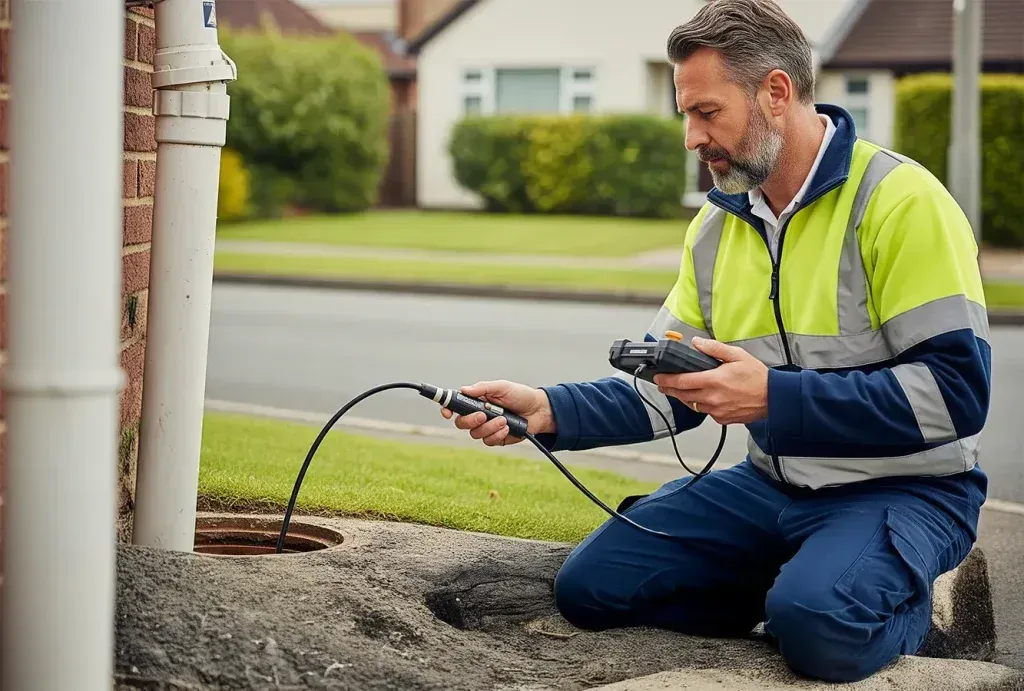
Professional sewer camera inspections provide detailed information about pipe condition, damage locations, and repair method suitability before any work begins. These inspections identify root intrusion patterns, pipe material conditions, and structural integrity throughout the entire sewer line.
Qualified contractors evaluate multiple factors when recommending repair approaches, including your property's specific conditions, budget constraints, and long-term maintenance preferences. Experience with local soil conditions and permit requirements often influences their method recommendations significantly.
Getting multiple professional opinions helps ensure you receive appropriate repair recommendations rather than approaches that favor particular contractor capabilities or equipment availability. Different companies may specialize in specific repair methods, affecting their assessment of your situation.
Consider asking about warranty coverage differences between repair methods, as trenchless techniques often include longer warranty periods that reflect their durability advantages. Understanding what specific problems warranties cover helps evaluate true long-term value propositions.
Making the Right Choice for Your Situation
Selecting appropriate sewer repair methods requires balancing immediate costs against long-term value, considering your property's specific conditions and your future plans. Homeowners planning to remain in their Worthington properties for many years often benefit from investing in complete replacement solutions that eliminate recurring problems.
Properties with extensive landscaping, mature trees, or hardscaping features may justify higher trenchless repair costs to preserve established aesthetic elements that would cost thousands to restore after traditional excavation.
If you're dealing with first burst pipe steps, you understand how quickly plumbing emergencies can escalate, making proactive sewer line maintenance even more important for preventing major system failures.
Emergency repair situations may limit your options to immediately available contractors and methods, but planned maintenance allows time to research approaches thoroughly and select solutions that best match your property's needs and your long-term goals.