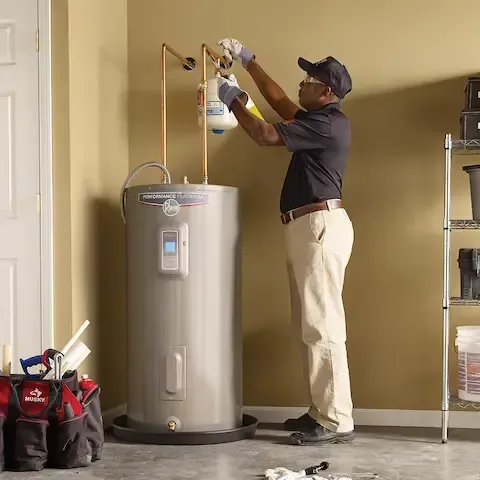
Gas vs Electric Water Heaters for Worthington OH Homes
Choosing between a gas and electric water heater is one of the most practical decisions a Worthington homeowner faces when it's time for a replacement. Both options work reliably, but they differ in upfront cost, operating expense, recovery speed, and installation requirements. Understanding how those differences play out in central Ohio homes—where natural gas infrastructure is widely available and energy costs shift with the seasons—helps you make a choice you'll be comfortable with for the next ten to fifteen years.
How Gas and Electric Water Heaters Work Differently
A gas water heater uses a burner at the base of the tank to heat water directly, then exhausts combustion gases through a flue or power vent. That direct combustion is fast and efficient at the point of use, which is why gas units recover a full tank of hot water more quickly than their electric counterparts.
An electric water heater uses one or two resistance heating elements submerged in the tank. Because there is no combustion, there are no exhaust gases to vent. The unit plugs—or more precisely, hardwires—into a dedicated 240-volt circuit, making installation more flexible in terms of placement. The trade-off is a slower recovery rate and, in most Ohio utility markets, a higher monthly energy bill.
Upfront Cost Differences in Worthington OH
Electric water heaters typically carry a lower purchase price than comparable gas models. A standard 40-gallon electric tank might cost $400 to $600 before installation, while an equivalent gas unit often runs $500 to $800. That gap narrows quickly when you factor in installation labor.
If your Worthington home already has an active gas line routed to the water heater location, swapping one gas unit for another is straightforward. If you're switching from electric to gas—or installing in a space without existing gas service—you'll need new gas piping, a pressure test, and possibly a permit from the City of Worthington's Building and Zoning department. That additional work can add $300 to $700 or more to the project.
Electric installations are simpler when a dedicated 240-volt circuit already exists. If the panel needs an upgrade or a new breaker run, that cost can rival a gas line installation. Get a full quote that includes any utility hookup or electrical work before comparing prices.
Operating Costs and Recovery Speed
Natural gas rates in the Columbus metro area, including Worthington, are generally lower per BTU than electricity costs. Most households that switch from electric to gas see a meaningful drop in monthly water heating expenses—commonly $15 to $30 per month depending on usage and current utility rates.
Recovery rate matters in households with multiple showers, a dishwasher, and a washing machine all competing for hot water. A 40-gallon gas unit typically recovers in about an hour. A comparable electric unit can take 90 minutes or longer. Larger Worthington families or homes with back-to-back morning showers often find that difference noticeable.
That said, electric water heaters have improved steadily. Heat pump electric units—sometimes called hybrid electric—are significantly more efficient than standard resistance models and can match or beat gas on operating cost, though they carry a higher purchase price and require adequate clearance around the unit.
Venting Requirements and Placement Constraints
Gas water heaters must be vented, either through a traditional atmospheric draft vent or through a sidewall power vent. Older Worthington homes with existing flue runs handle this naturally. Homes without an existing vent pathway need one installed, which can be a significant cost factor if walls or ceilings need to be opened.
Power-vented gas units exhaust horizontally through an exterior wall using PVC pipe, which gives installers more flexibility than a vertical flue. These units cost more upfront but eliminate the need for a vertical chase, making them practical for finished basements or utility rooms without ceiling access.
Electric units require none of this. As long as there is a 240-volt circuit available and adequate space, an electric water heater can be installed in a closet, a small mechanical room, or any corner of your home. That flexibility is a genuine advantage in Worthington homes where the utility area is compact.
Safety and Code Considerations
Both fuel types are safe when installed and maintained properly. Gas units carry a small combustion risk if a gas line develops a leak or if the flue becomes blocked—these are reasons why professional installation and annual inspection matter. Electric units eliminate combustion risk entirely but require proper grounding and circuit protection.
Worthington follows the Ohio Residential Building Code, which mirrors the International Residential Code for water heater installations. Any fuel-type conversion—gas to electric or electric to gas—typically requires a permit and inspection. Working with a licensed plumber familiar with Franklin County permit requirements keeps your project code-compliant and protects your home insurance coverage.
For an overview of how your current unit's age and performance factor into this decision, the early winter heater warnings post covers the signs that suggest your existing system is approaching the end of its service life.
Which Fuel Type Makes More Sense for Your Home
Gas tends to be the better long-term value for most Worthington households that already have a gas line in place. Lower operating costs and faster recovery make it practical for families with moderate to high hot water demand. If the infrastructure is already there, the economics favor gas in most scenarios.
Electric makes more sense when your home lacks gas service, when you're placing the unit somewhere venting is impractical, or when you prefer to eliminate combustion appliances entirely. Heat pump electric units are worth a close look if energy efficiency is a priority and you have the space for one.
Either way, a professional assessment of your existing infrastructure—gas lines, electrical panel, venting, and available space—gives you an accurate picture of total installed cost before you commit. If you're ready to explore your options, a water heater installation consultation can help you compare real numbers for your specific home.