Why Is My Worthington OH Faucet Dripping Constantly
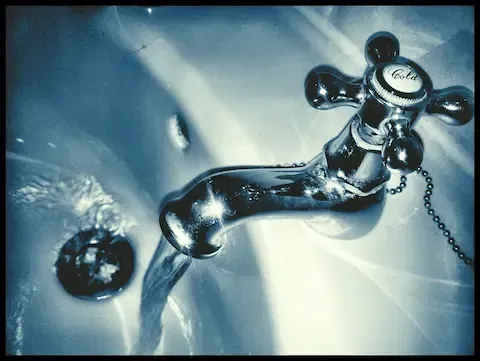
A dripping faucet in Worthington, OH almost always traces back to one of four worn internal parts: a cartridge, ceramic disc, seat washer, or O-ring. When water pressure pushes against a component that no longer seals properly, it leaks past and exits at the spout. The fix is usually a part replacement costing under twenty dollars. Identifying which part is failing depends on your faucet type — ball, cartridge, compression, or ceramic disc. Once you know the type, the repair is straightforward for most homeowners or quick for a licensed plumber.
What Causes a Faucet to Drip Constantly?
The most common cause is a worn seat washer. In compression faucets — still common in older Worthington homes built before the 1990s — a rubber washer presses against a metal seat every time you turn the handle. Over years of use, that washer hardens, cracks, or deforms. When it no longer creates a watertight seal, water seeps through even when the handle is in the off position. Replacing the washer is a ten-minute job if the seat itself is undamaged.
In cartridge faucets, a plastic or brass cartridge controls water flow. When the cartridge cracks or its internal seals degrade, water bypasses the shutoff mechanism. Cartridges are brand-specific, so you'll need to identify your faucet manufacturer — Moen, Delta, Kohler, and Price Pfister are the most common brands found in central Ohio homes — before buying a replacement.
Could a Worn O-Ring Be the Problem?
Yes. O-rings are small rubber rings that create seals around stems and cartridge bodies. They are especially prone to failure in ball-type faucets, which are common in kitchen sinks throughout the Columbus metro area. Heat, chemical exposure from cleaning products, and simple age cause O-rings to stiffen and crack. When they fail, you'll often see dripping from the base of the spout rather than from the tip — a detail that helps narrow down which part needs replacement.
If you notice hard water fixture wear on your handles or spout, O-rings may be deteriorating faster than average. Worthington's water supply, like much of central Ohio, carries moderate mineral content that accelerates rubber degradation over time.
What Is a Valve Seat and Why Does It Matter?
The valve seat is the connection point between the faucet and the spout inside the compression mechanism. Sediment and mineral deposits from the water supply can corrode or pit the seat surface. When the seat is damaged, even a brand-new washer won't create a complete seal. If you've replaced a washer and the dripping returned within weeks, the seat is likely the culprit. A seat grinder tool can resurface mild damage, but a heavily corroded seat means the faucet itself may need replacement.
This is a situation where calling a professional faucet repair service saves time and money. A plumber can assess the seat condition in minutes and tell you whether resurfacing or full replacement is the better option for your specific fixture.
Does a Dripping Faucet Actually Waste Enough Water to Matter?
It does. A faucet dripping once per second wastes approximately 3,000 gallons per year. For Worthington homeowners on the city water system, that shows up on your utility bill as a measurable increase. Beyond cost, continuous moisture around the drain area can stain porcelain, encourage mold growth in sink cabinets, and gradually erode grout or caulking. What starts as a minor annoyance becomes a maintenance problem if left unaddressed through multiple billing cycles.
How Do I Know Which Type of Faucet I Have?
Turn off the water supply valves under the sink before attempting any inspection. Remove the handle — usually held by a screw under a decorative cap — and look at what's inside. Here's what you'll find by type:
- Compression faucet: You'll see a stem with a rubber washer at the bottom. These require two separate handles for hot and cold.
- Ball faucet: A single handle rotates over a rounded cap. Inside you'll find a ball mechanism with springs and O-rings.
- Cartridge faucet: Single or double handle. Inside is a straight cylindrical cartridge that slides out for replacement.
- Ceramic disc faucet: Wide single lever over a cylindrical body. Contains a ceramic disc cylinder that rarely fails but can crack from impact or hard water buildup.
Taking a photo of the internal parts before disassembly helps when matching replacement parts at a hardware store. Most plumbing supply stores near Worthington carry common cartridges for major brands.
Can I Fix a Dripping Faucet Myself or Do I Need a Plumber?
Most washer and cartridge replacements are within reach for a homeowner comfortable using basic tools. The process requires shutting off the supply valves, disassembling the handle, replacing the worn part, and reassembling. The total cost for parts is typically under twenty dollars. The job takes thirty to sixty minutes if you have the right replacement part on hand.
You should call a plumber if the shutoff valves under the sink are seized and won't close, if the seat is visibly damaged, if internal threads are stripped, or if you're dealing with a faucet that is old enough that replacement parts are no longer manufactured. In those cases, a licensed plumber serving the Worthington area can assess whether repair or full fixture replacement is the more cost-effective path.
What Should I Do First When I Notice a Drip?
Don't ignore it. Place a dry cloth under the faucet and check again the next morning to confirm the drip is consistent rather than residual water from recent use. If it's dripping continuously, check whether it drips from the spout tip or the base of the spout — this tells you whether the internal seal or the O-ring is failing. Then identify your faucet type and look up the manufacturer's part number for the cartridge or washer before purchasing anything. Acting within a few days prevents the minor leak from becoming a corroded seat or water-damaged cabinet.